
Erbium Under-Eye Fat Repositioningin Gangnam, Seoul
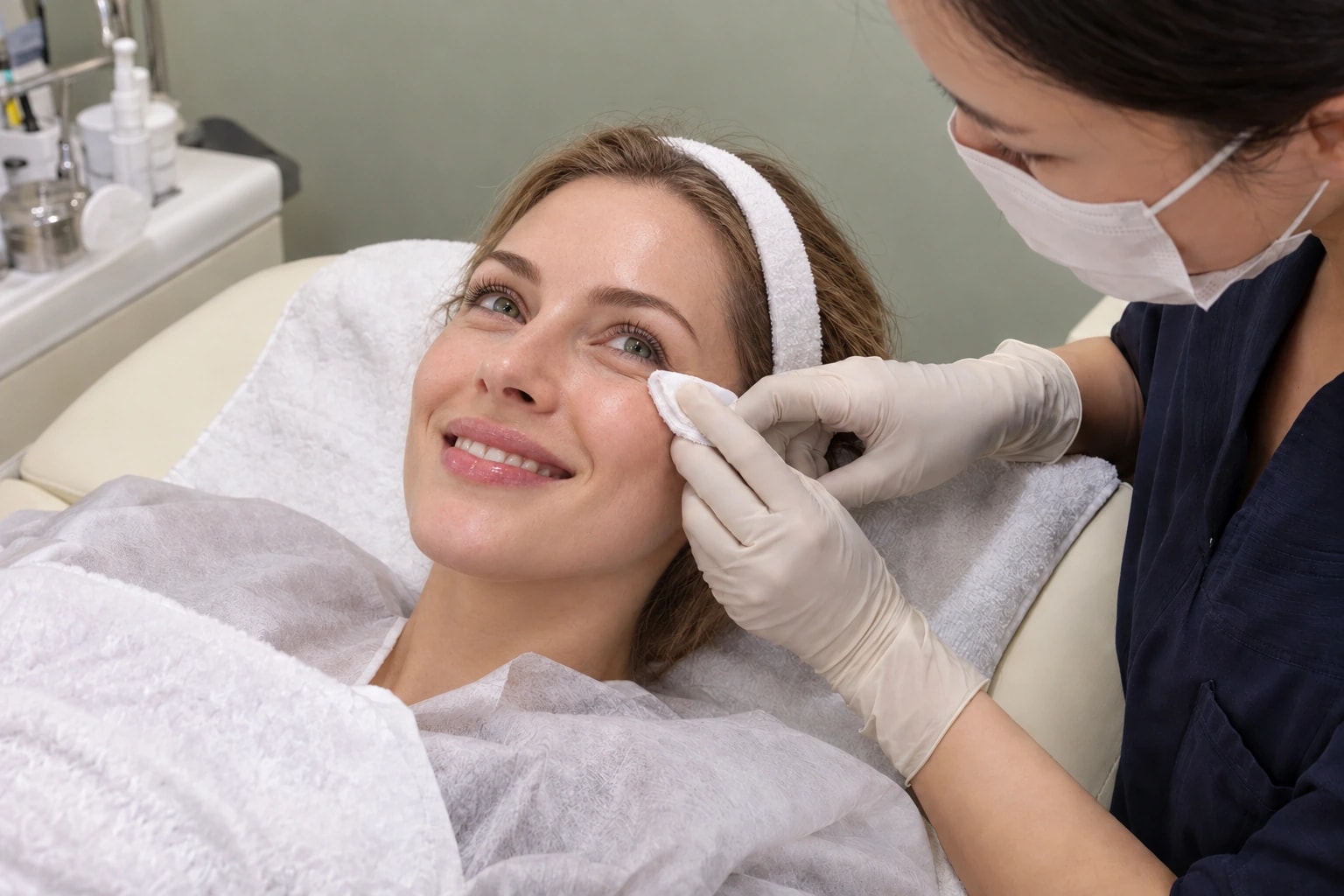
Under-eye fat repositioning treats eye bags by moving the fat that bulges under the eye down into the hollow of the tear trough, smoothing the transition between the lid and cheek. At QD Clinic in Gangnam, Seoul, South Korea, this is performed through the inside of the lower eyelid (transconjunctival) using an erbium laser rather than a blade, so there is no external skin incision. It is carried out under local anesthesia. (Results vary by individual.)
Who it’s for
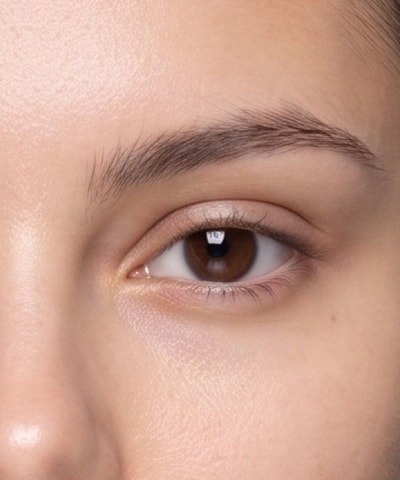
- Under-eye bags with a hollow (tear trough) below them
- Puffiness that can look tired even when well rested
- Younger patients with good skin elasticity and little excess skin
If there is significant loose or excess lower-eyelid skin, a lower blepharoplasty may suit better; this is decided at consultation.
How it works
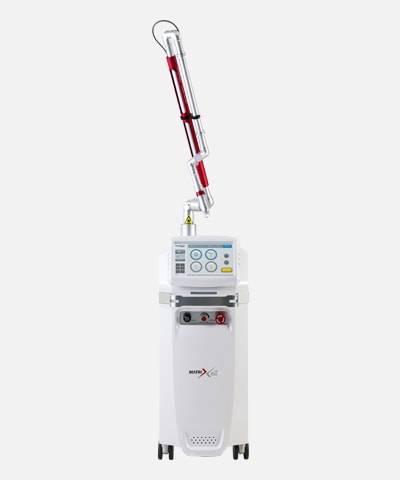
The bulge under the eye is usually orbital fat that has become more prominent. Working through the inside of the lower eyelid (a transconjunctival approach), the surgeon uses an erbium laser to open a fine path and release the fat pockets, then repositions that fat downward over the bony rim to fill the tear-trough hollow, and secures it. Because the approach is inside the lid, there is no external skin incision or visible scar line. Fat may be repositioned and, in some cases, a small amount reduced, depending on your anatomy.
THE MECHANISM, STEP BY STEP
01The bulge is orbital fat
The puffiness under the eye is usually orbital fat that has become more prominent, while the groove just below it — the tear trough — sits hollow, so treating only one of the two can leave an uneven step.
02Reached from inside the lid
Access is through the inner surface of the lower eyelid (a transconjunctival approach), so no incision is made in the outer skin and there is no external scar line.
03Repositioned, not simply removed
Rather than only taking fat away, the released fat is moved downward over the bony rim to fill the hollow and smooth the transition between lid and cheek, then secured in place.
04Erbium laser under local anesthesia
An erbium laser opens the fine path and releases the fat pockets, and the procedure is carried out under local anesthesia; depending on your anatomy a small amount of fat may also be reduced.
Treatment areas
- Under-eye bags
- The bulging orbital fat that is repositioned.
- Tear trough
- The hollow below the bag, filled by the repositioned fat.
- Lid–cheek junction
- The transition between the lower lid and cheek is smoothed.
What the procedure is like
- 1Consultation, eye assessment and design
- 2Local anesthesia (with optional light sedation)
- 3Transconjunctival access with the erbium laser (inside the lower lid)
- 4Release and repositioning of the orbital fat over the rim
- 5Recovery and aftercare guidance (no external stitches)
Time: The procedure takes about 30–60 minutes.
Recovery & aftercare
- Performed under local anesthesia; you can usually go home the same day.
- Expect temporary swelling and possible bruising for several days to about two weeks; because the incision is inside the lid, there are no external stitches.
- Cold compresses and keeping the head elevated help; avoid strenuous activity for a period we advise.
- Side effects such as swelling, bruising, asymmetry or a dry-eye sensation may occur and are explained at consultation.
What to expect over time
A general guide to how the days and months after treatment usually unfold. Results vary by individual.
DAY 0 Procedure day
Performed under local anesthesia in about 30–60 minutes; you can usually go home the same day. Mild swelling begins, and there are no external stitches.
DAY 1-3 Peak swelling
Swelling and any bruising are usually most noticeable now. Cold compresses and keeping the head elevated help; strenuous activity is avoided as advised.
DAY 4-14 Settling
Swelling and bruising gradually ease over several days to about two weeks. Because healing is on the inside of the lid, there are no external stitches to remove.
1-3 MONTHS Contour refines
As residual swelling resolves, the lid–cheek transition settles and the contour refines. This is typically when the result is assessed. (Results vary by individual.)
ONGOING Longer term
This is usually a single procedure. The repositioned fat stays in place, while natural aging continues over the years.
Sessions & results
This is usually a single procedure, with swelling settling over weeks and the contour refining over about 1–3 months. (Results vary by individual.)
How it compares
Under-eye bags can be approached in different ways depending on the fat, the depth of the tear-trough hollow and how much loose skin is present, so these options suit different situations.
| Comparison | Erbium Under-Eye Fat Repositioning | Under-eye filler | Erbium Lower Blepharoplasty |
|---|---|---|---|
| Approach | Transconjunctival — no external skin incision | Injected gel filler — non-surgical | External incision just below the lashes |
| Targets | Repositions your own orbital fat into the hollow | Adds temporary volume above the hollow | Repositions or removes fat and trims excess skin |
| Excess skin | Suited to little excess skin | Not addressed | Also addresses loose or wrinkled skin |
| Recovery | Swelling and bruising over days to ~2 weeks | Little to none | External sutures; recovery over weeks |
Neither is “better” — they work differently and suit different goals. The right choice is decided after we assess your skin.
Safety & considerations
Possible reactions
- Temporary swelling and bruising around the lower eyelids
- A dry-eye or gritty sensation, or temporary watering, that usually settles
- Mild asymmetry between the two sides while swelling resolves
- Temporary numbness or tightness in the treated area
When to take extra care
- Significant loose or excess lower-eyelid skin, where a lower blepharoplasty may suit better
- Dry-eye disease or previous eye surgery — tell your doctor
- Bleeding or clotting disorders, or blood-thinning medication
- Pregnancy or breastfeeding — let us know at consultation
- A tendency to keloid or difficulty with wound healing
Risks include bleeding, infection, scarring, asymmetry, difficulty closing the eyes, lower-lid position changes and revision surgery. Sudden visual change, severe eye pain or rapidly increasing swelling require urgent care.
Your care at QD Clinic
Performed by a board-certified surgeon
Your surgery is performed and medically reviewed by a board-certified plastic surgeon.
No external skin incision
The approach is through the inside of the lower eyelid, so there is no external skin incision or visible scar line.
Care in your language
Consultation in English, with 中文 and 日本語 support arranged on request — including questions before you travel.
A short walk from Gangnam Station
Central Seoul location with guidance from the airport and nearby hotels, and hours shown in KST.
Frequently asked questions
Transconjunctival under-eye fat repositioning uses an incision inside the lower eyelid to avoid an external skin incision. The internal surgical wound still needs to heal; this does not eliminate risks such as scarring or adhesions. If skin removal is needed, the alternative approach and its scars are discussed separately.
It is usually performed under local anesthesia, sometimes with light sedation. The procedure itself takes about 30–60 minutes, and you can usually go home the same day. If you take blood-thinning medication or have a bleeding disorder, tell us beforehand so it can be planned safely.
Expect swelling and possible bruising for several days to about two weeks; because the incision is inside the lid, there are no external stitches to remove. Cold compresses and keeping your head elevated help, and strenuous activity should be avoided for the period we advise. A dry or gritty eye feeling or mild asymmetry can occur while the swelling settles. Sudden visual change, severe eye pain or rapidly increasing swelling needs urgent care.
Filler adds volume to the hollow temporarily, while repositioning moves your own orbital fat, the cause of the bag, down over the bony rim to fill the tear-trough hollow. Because the bag itself is addressed, this is usually a single procedure rather than repeated top-ups. Filler may still suit a hollow without a noticeable bag, which we judge at the eye assessment.
Repositioning suits bags with a hollow beneath them and little excess skin, which is common in younger patients with good elasticity. A lower blepharoplasty also addresses loose or wrinkled lower-lid skin through an incision just below the lashes. Which one you need depends mainly on how much excess skin there is, and we decide it at the eye assessment.
The repositioned fat stays in place, so the change does not wear off the way filler does. Swelling settles over weeks and the contour refines over about one to three months. Aging continues, though, so the area still changes gradually over the years.
Yes. Let us know your preferred language when you book, and we will confirm the support available. At the consultation the doctor looks at the bag, the hollow beneath it and how much loose skin there is, since significant excess skin may make a lower blepharoplasty the better choice. We also ask about dry eyes, previous eye surgery and any blood-thinning medication.
Preoperative assessment and in-person recovery visits need to be planned before travel is finalised. Tell us how long you can stay. A plan combining surgery and another procedure needs recovery and review arrangements for both. This is usually a single procedure, with swelling settling over weeks and the contour refining over about 1–3 months. (Results vary by individual.) Expect temporary swelling and possible bruising for several days to about two weeks; because the incision is inside the lid, there are no external stitches. Cold compresses and keeping the head elevated help; avoid strenuous activity for a period we advise. Side effects such as swelling, bruising, asymmetry or a dry-eye sensation may occur and are explained at consultation. Examination may lead to postponement or additional visits. Confirm contact arrangements after returning home and when in-person medical care may be needed. What the doctor checks first for this treatment: “Protruding under-eye fat, the tear trough, skin condition and preserving fat”.
Often considered together
Treatments that are sometimes planned alongside this one, decided at consultation.
+Erbium + Eye Sofwave
A consultation option combining Erbium under-eye fat repositioning with Sofwave. Surgery and energy treatment have different roles and treatment areas; the need for each is assessed first.
+Upper Blepharoplasty
If upper-eyelid heaviness is also a concern, upper-eyelid surgery may be planned in the same session to balance the eye area; whether to combine is decided by your surgeon.
+Lower-lid skin treatments
Fat repositioning smooths the contour but does not change skin texture; laser or skin-quality treatments for the lid surface may be considered separately, depending on your skin.
For international patients
Consultation in English / 中文 / 日本語 · WhatsApp · WeChat · KakaoTalk · a 4-minute walk from Sinnonhyeon / Nonhyeon Station (hours in KST).
How many days should I stay?
Surgery and course-based treatments need a check-up. We tell you before you book whether that means staying longer or coming back another time.
For International Patients